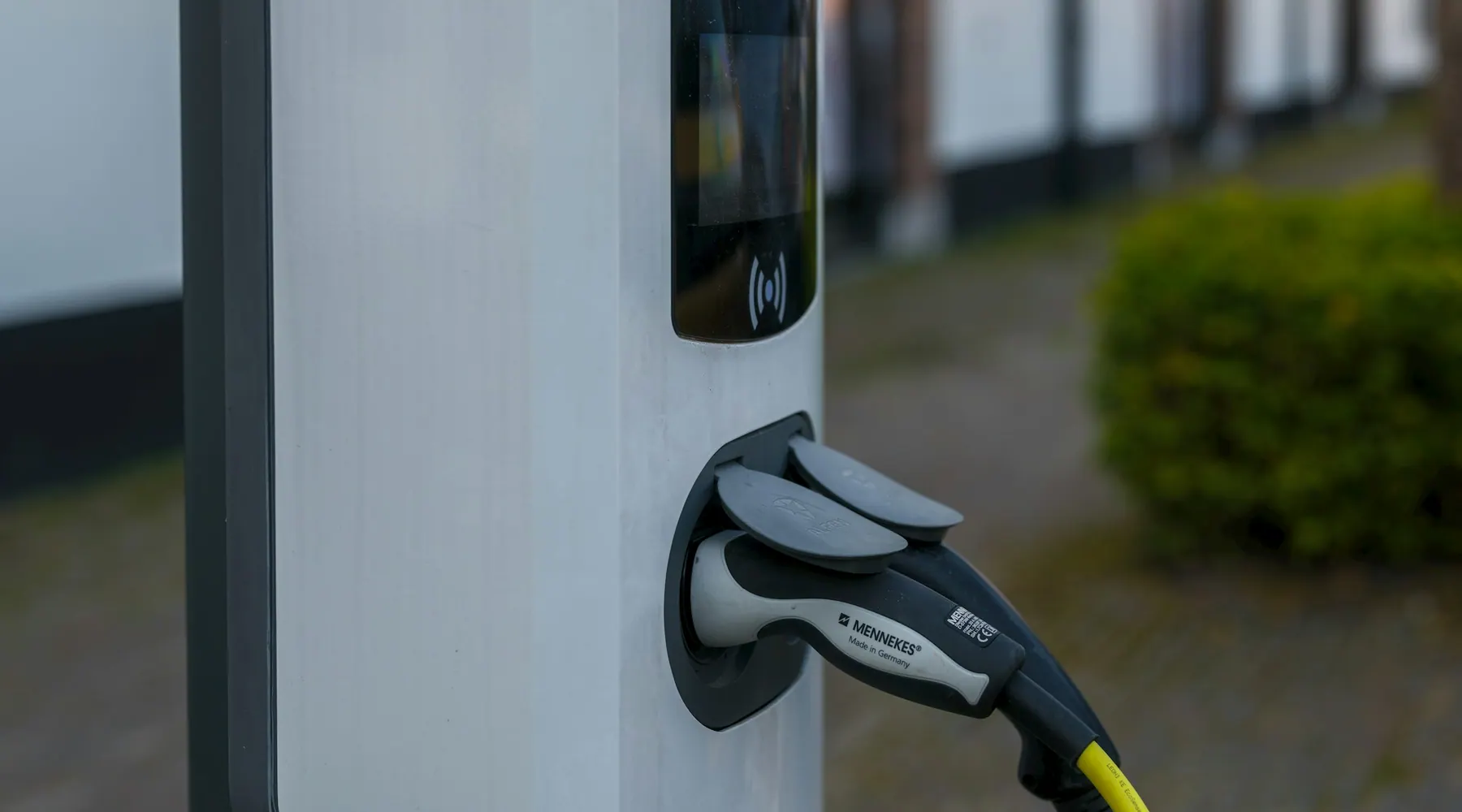
Autonomous vehicle technicians
Autonomous Vehicle Technician
The entry-level role that keeps a fleet launch-ready: inspections, tire service, light mechanical repair, and documentation to the same standard on every shift, with a written ladder to senior work on sensors and compute. Written up ahead of the vehicles. Not open yet.
- Status
- Written up, not open
- Role family
- Autonomous vehicle technicians
- Where
- Charlotte first
This page describes a role we expect to create. It is not an open position and not an offer of employment. Joining the talent network creates no obligation on either side.
Why this role is written up before it exists
A Robotaxi has no driver, so the technician who signs it launch-ready is the last person who touched it before a rider gets in. That is the job. The training pipeline for it already exists in our first metro: the automotive and electric-vehicle programs at Central Piedmont Community College, including the Tesla START program hosted at its Merancas campus, graduate people with exactly the skills a fleet hub needs. We have written this role up now so those graduates, and the technicians already working in dealerships and fleet shops across the Carolinas, can find us before the first hub opens.
This page describes a role we expect to create. It is not an open position and not an offer of employment.
What this role would be
An entry-level technician at a Robot Mercantile hub. You would keep vehicles launch-ready under a written standard that is the same on every shift at every hub: inspections, tire service, light mechanical repair, sensor and camera cleaning, and the documentation that proves each of those happened. A senior technician signs a vehicle back into service; you would do the work that makes that signature true, and you would move up a written ladder of tasks toward being the person who signs.
What you would do
- Run the launch-ready inspection on each vehicle assigned to you, system by system, in the order the standard work sets out, and record every result with a time and your name.
- Perform tire service, fluid checks, light mechanical repair, and the cleaning of cameras, sensors, and charging surfaces, using the kitted parts and the tools the procedure specifies.
- Move vehicles between bays, charging positions, and staging under the site rules for a floor where vehicles move themselves, and confirm each charging position reads a correctly seated vehicle before power flows.
- Take a vehicle out of service the moment it fails any part of the standard. There is no partially ready.
- Log every fault you find, and flag a repeat fault on the same vehicle within thirty days so the shift lead can open a root-cause review.
- Bring one waste, delay, or near miss to the weekly improvement review, with a number where one exists.
- Qualify on each task on the ladder by demonstrating it on the floor to someone already qualified, and re-qualify when a procedure changes.
Who you would be
- You have completed an automotive, collision, or electric-vehicle technician program, or you have a year or more of hands-on shop experience, and you want to work on vehicles that drive themselves.
- You follow a written procedure exactly and you say so when it is wrong, rather than working around it.
- You are physically fit for the work, sober on shift without exception, and you hold a clean driving record, because you would move a two-ton machine.
- You are willing to work nights, weekends, and holidays on a fair rotation, because the fleet runs when riders ride.
- You treat documentation as part of the repair, not paperwork after it.
- You want to move up: the ladder from this role to senior technician is written down, and pay would follow it.
Training we would provide
Safety first and before anything else: high-voltage awareness, lockout and tagout, hazardous-material handling, and the rules of a floor where vehicles move on their own, each demonstrated before you are cleared to the floor. Yellow Belt training early in your employment so the language of defects, root causes, and standard work is shared across the hub. Electric-vehicle high-voltage safety certification, funded, where the role requires it. Manufacturer training on the vehicles we operate, as it becomes available to independent operators. And a coach on the hub floor built from how our best technicians actually work a problem, which never signs a vehicle back into service; a qualified person does that, every time.
How the work would be measured
Hours out of service per vehicle, the number the hub lives by; defects per million rides, meaning a vehicle that reaches a rider not launch-ready; repeat faults on the same vehicle within thirty days; and the tasks you have qualified on and when. None of these numbers exist yet, because there are no vehicles yet. The targets belong on the posting, not on this page, and we intend to publish them with it.
What the posting would add that this page cannot
- A pay range, and the ladder steps it follows. We intend to list a range on every open role.
- The hub, the metro, the shift pattern, and the start date.
- Motor-vehicle-record, background, and drug-testing requirements consistent with our insurers and with North Carolina law, stated in the posting.
- Benefits, and the exact certifications we would fund.
Not open yet
There is no hub, no fleet, and no start date. Joining the talent network under Autonomous vehicle technicians is how to be on the list when there is, and it creates no obligation on either side. Join the talent network under Autonomous vehicle technicians.