Depot and hub operations
Hub Site Manager
The person who runs a hub around the clock: charging schedules, cleaning cycles, vehicle staging, incident response, the shift leads, and the daily numbers partners see. Written up ahead of the vehicles. Not open yet.
- Status
- Written up, not open
- Role family
- Depot and hub operations
- Where
- Charlotte first
This page describes a role we expect to create. It is not an open position and not an offer of employment. Joining the talent network creates no obligation on either side.
Why this role is written up before it exists
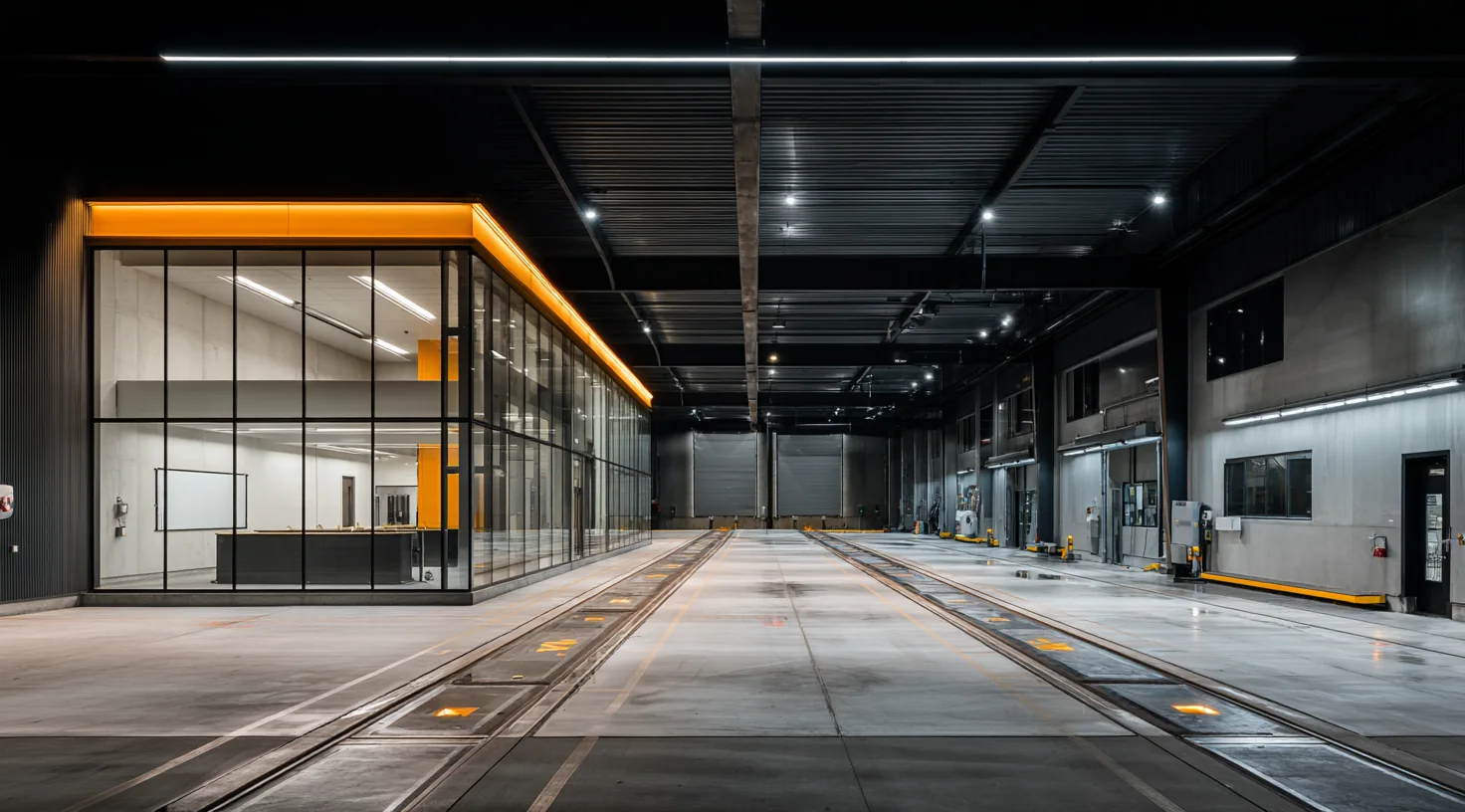
A hub is a small factory that never closes. Vehicles arrive needing charge, cleaning, inspection, and a place to wait, and they leave needing to be launch-ready, at the hour riders want them, every day of the year. Someone runs that floor. The twelve operating principles on our Careers page and the four procedures under them are written for a hub; this is the role that owns them on the ground. We have written it up now so that the people who have run a fleet yard, an airport ramp, or a distribution site around the clock can see the shape of the job before there is a posting.
This page describes a role we expect to create. It is not an open position and not an offer of employment.
What this role would be
You would run one hub and the people on it: the shift leads, the technicians, the cleaning and detailing crews, and the parts lead. You would own the site's launch-ready standard, the charging and cleaning schedules, staging for the hours riders ride, incident response, lost-and-found, and the daily numbers the partners and the founder see. You would run the weekly improvement review on the floor and be the owner of every root-cause review the hub opens. Nothing leaves the hub for a rider except through a standard you enforce.
What you would do
- Run the hub on a published schedule across every shift, nights, weekends, and holidays included, and staff it fully and fairly.
- Own the charging plan: which vehicles charge when, at which positions, so the fleet is charged for the hours riders ride and the site never exceeds the power it has agreed with the utility.
- Own the cleaning cycle and the staging plan: interior turnarounds between rides, scheduled full details, exterior washes that keep cameras clear, and vehicles positioned at the hub, a venue, or a curb when demand is about to arrive.
- Run incident response: a vehicle that stops, a rider who needs help, a near miss on the floor, damage in a bay, each handled by the written procedure and each logged.
- Run the weekly improvement review: twenty minutes on the floor before the busiest shift, one item per person, a number where one exists, and a decision recorded for every change tried.
- Own the root-cause reviews the hub opens, with the shift lead and the technician who found the fault, and make sure each one ends in a change to the standard and not in "operator error".
- Keep the hub's numbers visible on the floor every day, and act on drift from the standard before it becomes a defect.
- Manage the parts lead's stock to the fleet's measured consumption, so no bay waits for a part and no shelf holds a surplus.
- Hold the qualification record for everyone on the site: who is cleared for what, when they qualified, and when they re-qualify.
Who you would be
- You have five or more years running a site that operates around the clock: a fleet yard, a rideshare or rental operation, an airport ramp, a distribution center, a transit depot, or a service center.
- You have led shift leads and hourly crews, scheduled them fairly through nights and holidays, and kept them.
- You run on numbers and you are comfortable being run on them: hours out of service, turnaround time, and incident counts are how you would describe your week.
- You have run a structured improvement method before, or you want to: we intend for site managers to train to Green Belt, and the founder holds one.
- You are calm in an incident and exact afterwards, because the record is what a rider, a partner, or an insurer will read.
- You hold yourself to the same floor rules as a first-week crew member: safety procedures are not optional at any level.
How the work would be measured
Hours out of service per vehicle, the number the hub lives by; defects per million rides; vehicle hours spent empty and bay time spent waiting for parts, both driven down; incident response time against the procedure; and the qualification record kept current with no gaps. None of these numbers exist yet, because there is no hub yet. The targets belong on the posting, not on this page, and we intend to publish them with it.
What the posting would add that this page cannot
- A pay range. We intend to list one on every open role.
- The hub, the metro, the shift pattern, and the start date.
- Motor-vehicle-record, background, and drug-testing requirements consistent with our insurers and with North Carolina law, stated in the posting.
- Benefits, and the training and certifications we would fund for the role.
Not open yet
There is no hub, no fleet, and no start date. Joining the talent network under Depot and hub operations is how to be on the list when there is, and it creates no obligation on either side. Join the talent network under Depot and hub operations.